
Washington County Records Use Three Channels
A Washington County criminal history is not one file. The sheriff or a town police department creates an incident or arrest report. Washington County Jail creates the booking record. The Circuit Clerk opens a case record when a charge reaches court, and the Alabama Law Enforcement Agency, or ALEA, maintains fingerprint-linked criminal history information. Each source has a different purpose, clock, and set of fields.
That split explains many apparent conflicts. A jail entry shows that an intake occurred, but it does not show whether a grand jury returned an indictment. A court file can show dismissal, conviction, sentence, or another final result, yet it is organized by case rather than by fingerprinted identity. ALEA may join reported arrest cycles and dispositions. Older paper files, rejected fingerprints, and delayed updates can cause gaps.
| Channel | Best use | Main limit |
|---|---|---|
| Sheriff, jail, or town police | Incident, arrest, booking, or current custody | Does not establish the final court result |
| Circuit Clerk and Alacourt | Filed charge, docket, disposition, and sentence | Not a fingerprint-based statewide history |
| ALEA personal review | Reviewing your own Alabama identity record | Requires fingerprints, documents, fee, and processing time |
Checking Criminal History in Washington County
Start with the question the record must answer. Current local custody belongs with the Washington County Sheriff’s official jail roster or the jail phone. A filed criminal charge and its outcome belong with the Circuit Clerk or AlacourtACCESS. Your own identity-based Alabama history comes from ALEA. State prison custody belongs with ADOC, while registry status belongs with Alabama’s public registry.
Collect a full name, spelling variants, an approximate event date, and a case, report, or booking number if known. Use birth information only through an official form that requests it. Matching a similar name is not enough. Read the charge beside the disposition and sentence, and request the source document when the exact wording matters.
- Define whether the target is custody, an agency report, a court case, a statewide self-review, or registry status.
- Try the official county or state channel that creates that record.
- Use the verified phone or counter fallback if the online tool fails or gives an unclear result.
- Compare the booking charge with the filed charge and final court disposition.
- Order a certified court copy or complete the official fingerprint process when proof or identity accuracy matters.
Note: A missing web result can reflect release, transfer, spelling, timing, restricted data, or an older file rather than the absence of a record.
Washington County Records at 45 Court Street
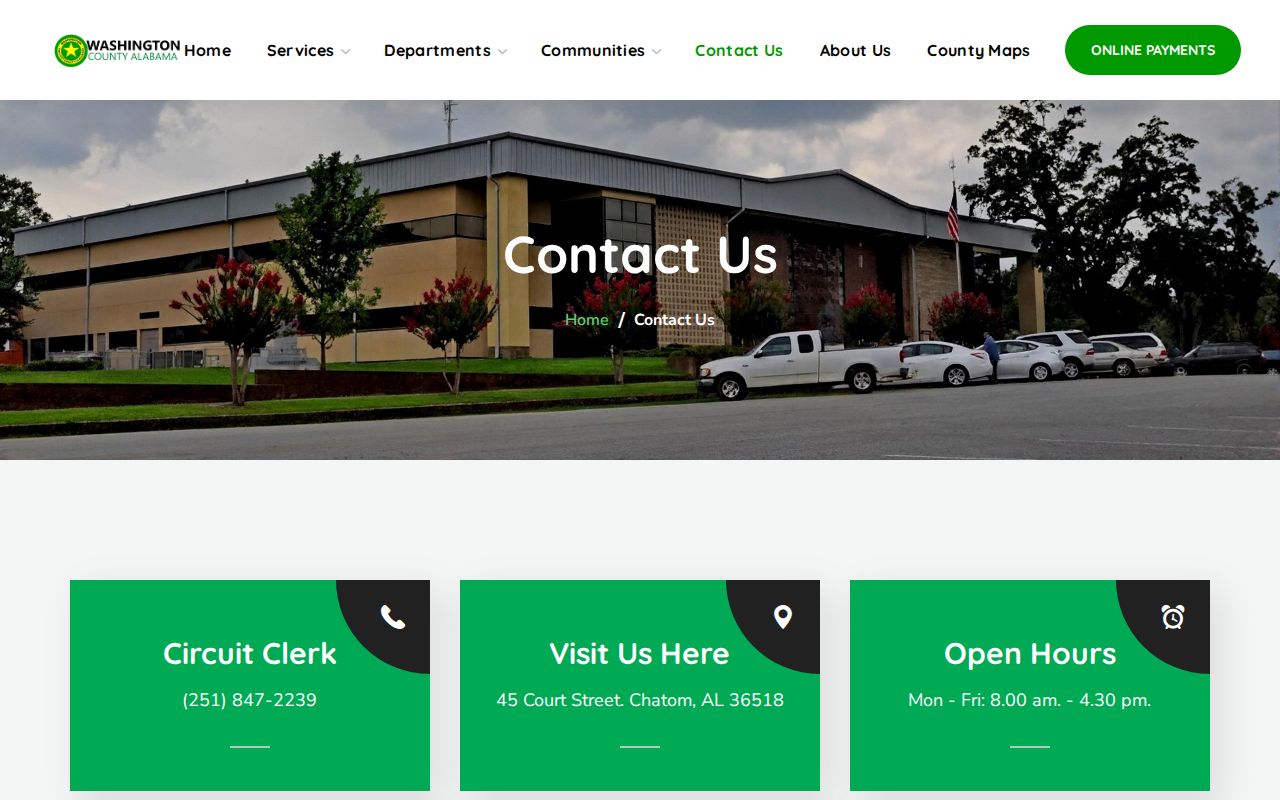
Washington County’s main public record counters share one civic address but remain separate offices. The Washington County Courthouse, Circuit Clerk, sheriff contact, and jail are at 45 Court Street in Chatom. The clerk can be reached at (251) 847-2239, and the sheriff and jail at (251) 847-2202. The courthouse publishes weekday hours of 8:00 a.m. to 4:30 p.m. The sheriff also receives mail at P.O. Box 307, Chatom, AL 36518.
The official Washington County contact directory shows how concentrated local government is in Chatom. The captured county contact page also helps a reader confirm the right office before travel.
That shared location does not merge the records. Ask the clerk for case filings and certified dispositions. Ask the sheriff for sheriff-created reports or jail information. If Chatom, Millry, McIntosh, or ALEA created the incident report, send the request to that agency instead.
Washington County Circuit Clerk
45 Court Street
Chatom, AL 36518
(251) 847-2239
Monday through Friday, 8:00 a.m. to 4:30 p.m.
Washington County Sheriff and Jail
45 Court Street
Chatom, AL 36518
(251) 847-2202
Call for current records and jail procedures.
ABPP Chatom Field Office
100 Court Street, Suite B1
Chatom, AL 36518
(251) 418-9003
Weekdays, 8:00 a.m. to 4:30 p.m.
Alabama Official Background Checks
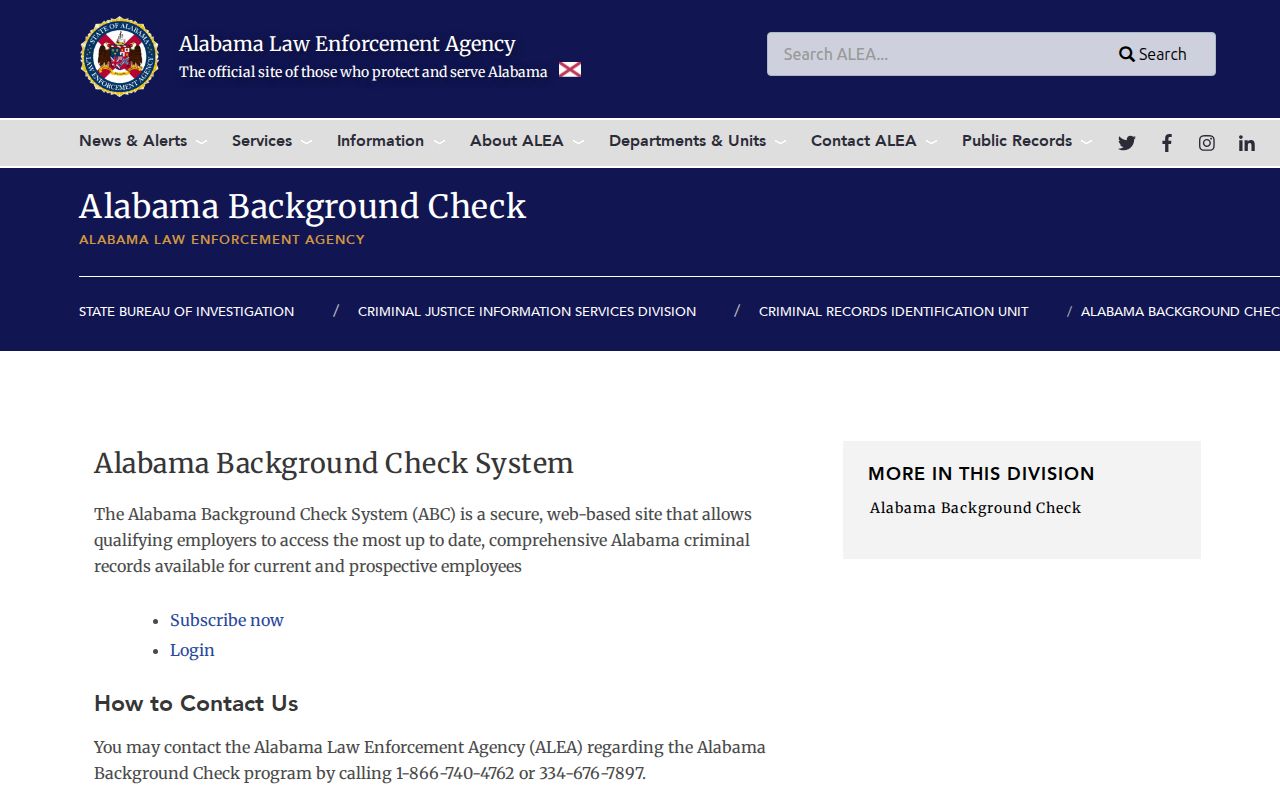
ALEA’s Criminal Records Identification Unit is Alabama’s central criminal history repository. Its Alabama Background Check subscription system is not an unrestricted public name search. It serves statutorily qualified subscribers and has rules against false-pretense access or disclosure. A member of the public instead may request a fingerprint-based review of his or her own Alabama Criminal History Record Information.
The ALEA background check page explains that distinction. Its captured instructions show why a paid court-name search cannot replace an official identity review.
ALEA Form 46 requires a completed application signed before two witnesses or notarized, a copy of valid photo identification, and an official fingerprint card from an authorized law enforcement agency with an FBI ORI. The first copy costs $25 by cashier’s check or money order, and each added copy costs $5. ALEA accepts mail at P.O. Box 1511, Montgomery, AL 36102-1511, or hand delivery at 301 South Ripley Street. The agency says to allow at least four to five weeks.
No official Washington County page publishes current fingerprint hours or a local printing fee. Call the sheriff before traveling. If local prints are unavailable, ask ALEA which provider can make a compliant card. The ALEA CJIS division page identifies the unit that handles Alabama criminal records.
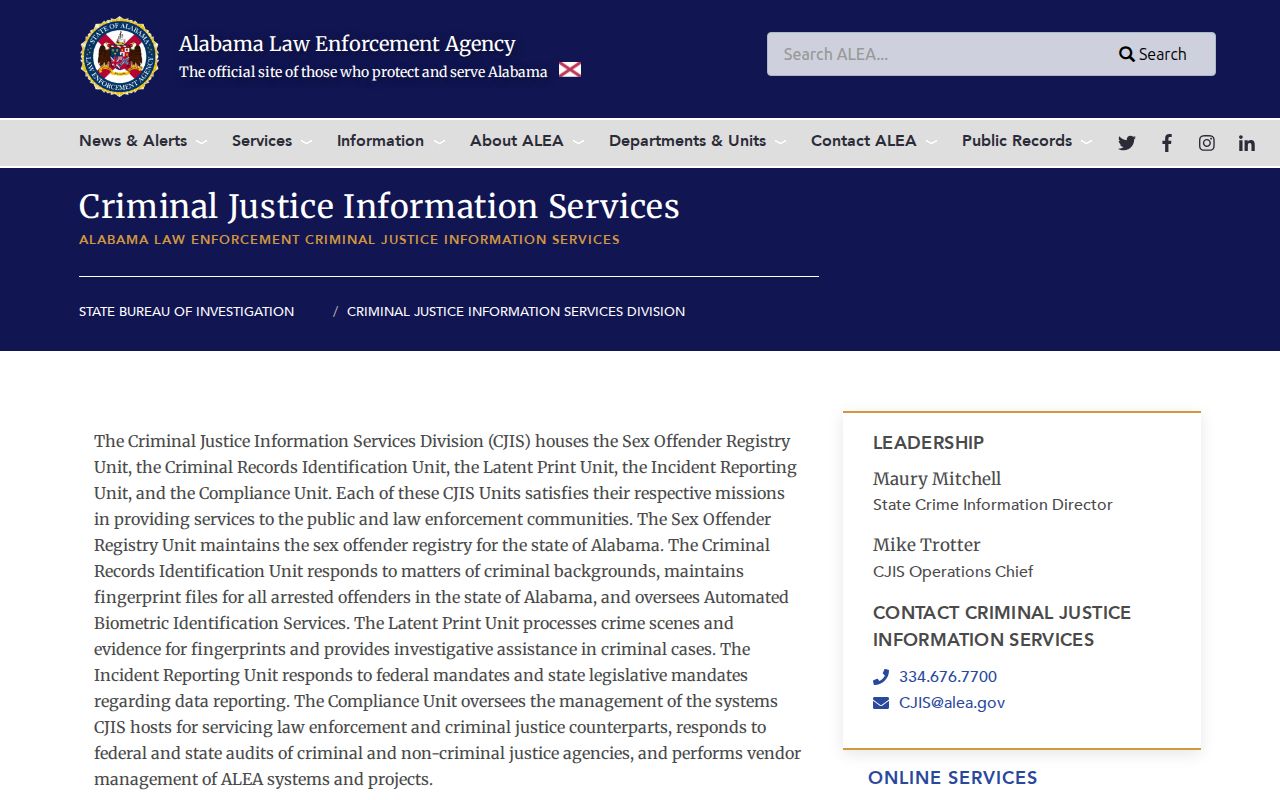
The state unit is the correct source for an Alabama repository self-review and correction path. It is not the office that provides a certified Washington County judgment.
No One-Stop Washington County Database
No official portal combines every Washington County police report, jail entry, warrant, court case, probation event, and state record. A search must follow the record’s owner. This is especially important in a rural county where the sheriff and three town departments create separate reports, municipal courts do not share one city lookup, and the statewide repository does not offer the public a casual name search.
The free public computer at the Circuit Clerk counter is a useful alternative to a paid web case report. Just One Look charges $9.99 for a name or case-number search, and a “No Matching Records on File” result still counts as a search. Its case detail can include status, rulings, settings, parties, a case-action summary, finances, and document links. Document images cost $5 for the first 20 pages and $0.50 for each page after that.
| Official route | Located price | How to use it |
|---|---|---|
| Clerk public computer | Free search at counter | Visit during published courthouse hours |
| Just One Look case detail | $9.99 per search | Search by name or case number |
| ALEA personal CHRI | $25, plus $5 per extra copy | Submit form, fingerprints, ID, and payment |
| WCSO local files | No fee schedule located | Ask about costs before authorizing a copy |
Criminal Record Types
Washington County criminal records differ by who created them and why. An incident report describes a reported event. An arrest report and jail booking document an accusation and intake, not guilt. A criminal court file tracks the charge that was actually filed, later motions, settings, judgment, and sentence. ALEA criminal history connects reported arrest cycles to a fingerprinted identity and received outcomes.
Warrants, custody, and supervision also use separate routes. A court issues an arrest warrant or bench warrant, while law enforcement executes it. Washington County Jail covers recent local custody. The Alabama Department of Corrections locator covers people in state prison, not every county detainee. The Alabama Bureau of Pardons and Paroles runs state probation and parole administration, but the sentencing order and revocation filings remain in the court case.
- Police and sheriff reports: Request from the agency that investigated or made the arrest.
- Booking and jail records: Start with Washington County Jail for local custody.
- Criminal court files: Use the Circuit Clerk, public terminal, or Alacourt for filed cases.
- Identity history: Use ALEA’s fingerprint-based process to review your own Alabama record.
- Custody and supervision: Match county jail, ADOC, ABPP, or federal custody to the stage.
When Washington County Jail Search Fails
The sheriff’s official “Who’s in Jail” page is the county roster entry point, but its embedded vendor frame did not load reliably during research. That technical failure does not mean the jail lacks a record or that a person is not in custody. Call the verified sheriff and jail number, (251) 847-2202, and be ready with the person’s full name and an approximate booking date.
No separate official inmate line, visitation schedule, deposit vendor, mail format, or sheriff mobile app was located. Ask the jail directly for current custody, the booking identifier, permitted visit method, visitor identification rule, correct mail format, and approved ways to send funds. A 2024 law enforcement directory lists the jail at a rated capacity of 65, but that figure is not a live population count.
Custody can move. A recent local or pretrial detention belongs with WCSO. A sentenced Alabama prison placement belongs with ADOC Inmate Search. VINELink may provide custody alerts where the agency participates, and the federal Bureau of Prisons handles sentenced federal custody. The fuller Washington County arrest lookup explains the agency-by-agency fallback chain.
Inside a Washington County Criminal Record
The fields depend on the source. A court report centers on its case identifier, court, parties, actions, settings, status, financial ledger, disposition, judgment, and images. A jail record centers on intake and custody. An ALEA record may connect identity data, fingerprints, arrest cycles, prosecution identifiers, reported dispositions, and sentence or supervision information. Compare like fields before deciding that two records disagree.
| Name and identifiers | Name, aliases, date of birth, and agency or fingerprint identifiers when lawfully shown. |
|---|---|
| Arrest and booking | Arresting agency, event date, intake reference, initial charges, custody, release, or bond entries when available. |
| Charges and court | Case number, court, filed count, statute reference, indictment, motions, and settings. |
| Disposition | Dismissal, no bill, plea, trial result, conviction, acquittal, or another outcome for each count. |
| Sentence | Custody term, probation, fine, costs, restitution, and other terms stated in the judgment. |
| Custody or supervision | County jail, ADOC, probation, parole, or later revocation information from the proper source. |
- True bill
- The grand jury returned an indictment as the formal felony charge.
- No bill
- The grand jury found an insufficient basis to indict.
- Nolle prosequi
- The prosecution discontinued a filed charge, often shown as “Nolle Pros.”
- Disposition
- The way a charge ended, which should be read separately for each count.
- Capias
- A court command directing that a person be taken into custody.
Washington County Warrant Record Chain
Washington County has no comprehensive official active-warrant database. ALEA’s statewide fugitive or most-wanted information is selective, so an empty result is not a certificate that no local warrant exists. For a sheriff-held matter, call WCSO at (251) 847-2202. For Circuit or District Court entries, start with the Circuit Clerk at (251) 847-2239. A municipal failure-to-appear may require the court in Chatom, Millry, or McIntosh.
To address your own possible warrant, verify the issuing court and case number first. Ask the clerk what appearance, payment, or bond procedure applies to that docket. Do not assume that paying an unrelated ticket clears a warrant. Confirm the court has processed the resolution. Legal advice is prudent when surrender or loss of liberty may be involved.
Outstanding warrant: Do not rely on a web-only search. Confirm the issuing court and the law enforcement agency before taking action.
Public Access Laws in Alabama
The Alabama Open Records Act gives Alabama citizens a right to inspect and copy public writings unless another law provides otherwise. That right is not a promise that every working file will appear online or without redaction. Active investigations, juvenile and youthful-offender material, victim-sensitive details, sealed information, and personal identifiers may be limited. Repository dissemination follows rules separate from ordinary court access.
Key Alabama statutes:
Code §36-12-40 provides the basic inspection and copy right for public writings, subject to other law.
Code §12-11-30 places felony jurisdiction in Circuit Court and helps route a record request.
Code §15-27-1 addresses eligible non-felony and other charge outcomes for expungement petitions.
Code §15-27-2 addresses felony and qualifying conviction paths under Chapter 27.
Code §15-20A-8 identifies information and search functions for the public sex offender registry.
Ask the record creator for the right item. The clerk supplies judicial case records, the investigating agency holds its incident report, WCSO handles its booking records, and ALEA supplies a person’s own repository review through the official process.
Washington County Criminal Record History
Washington County calls itself Alabama’s first county. It was created in 1800 while the area was part of Mississippi Territory. St. Stephens served as the county seat from 1854 to 1907, and its surviving old courthouse gives the county an unusually visible court-record history. Chatom became the seat in 1907. The operational courthouse and records counters are there today, not at the historic St. Stephens building.
The current Washington County courthouse was built in 1965. Its clerk office includes the public access computer that can bridge online coverage gaps and help with older files. This difference between a historic records setting and a working custodian matters: archival interest may begin with St. Stephens, but a current criminal case request starts in Chatom.
Sealed, Expunged, and Restricted Records
Alabama uses the term expungement. A petition for an eligible Washington County charge is filed in the criminal division of Washington County Circuit Court. Juvenile and youthful-offender material is not treated like an ordinary adult public case. Sealed warrants, victim and minor identities, active investigative details, Social Security numbers, and other protected data may also be withheld or redacted.
Dismissal does not automatically erase every copy. Eligibility and waiting periods come from the current version of Alabama Code Title 15, Chapter 27. AOC Form CR-65 was revised in October 2024, and later legislative changes make old checklists risky. Obtain the full case number and certified disposition from the clerk, obtain the ALEA report required for the filing, complete service requirements, and verify both court and repository records after an order.
Research located a current $500 administrative filing amount under §15-27-4 and an indigency-waiver route. An older Washington County fee sheet lists $300, so it should not be used as the current quote. Call the clerk at (251) 847-2239 before filing. If an order has issued but information remains, send a certified copy through the source agency and ALEA correction channels.
Washington County Drug Court Outcomes
The First Judicial Circuit’s Drug Court dates to 1996. The official program description calls for at least six months of drug testing, counseling, and community service. Successful completion can produce a no-conviction result, which makes the program outcome important when reading a Washington County criminal record. It is not safe to infer that outcome from the first arrest charge.
The circuit also has a Pre-Trial Diversion Program for approved nonviolent cases. It requires admission and agreement, excludes DUI and commercial driver’s license cases, and can end without a conviction after successful completion. These are controlled local programs, not automatic dispositions. The docket and final court order show what occurred in a particular case.
The Alabama Bureau of Pardons and Paroles handles state probation and parole administration.
The agency page helps route supervision questions, while the Washington County judgment remains the clearest public source for the sentence and later court-filed revocation events.
Washington County Criminal Records by City
Chatom, Millry, and McIntosh are Washington County’s three incorporated places in the official Vintage 2025 Census file. Each police department creates its own incident and arrest reports, and each municipal court handles city ordinance matters within its authority. A city search therefore starts with the town police or court, then moves to WCSO for county custody and to the Circuit Clerk if a District or Circuit Court case was filed.
The official Census place estimates identify the required city order for Washington County criminal record access.
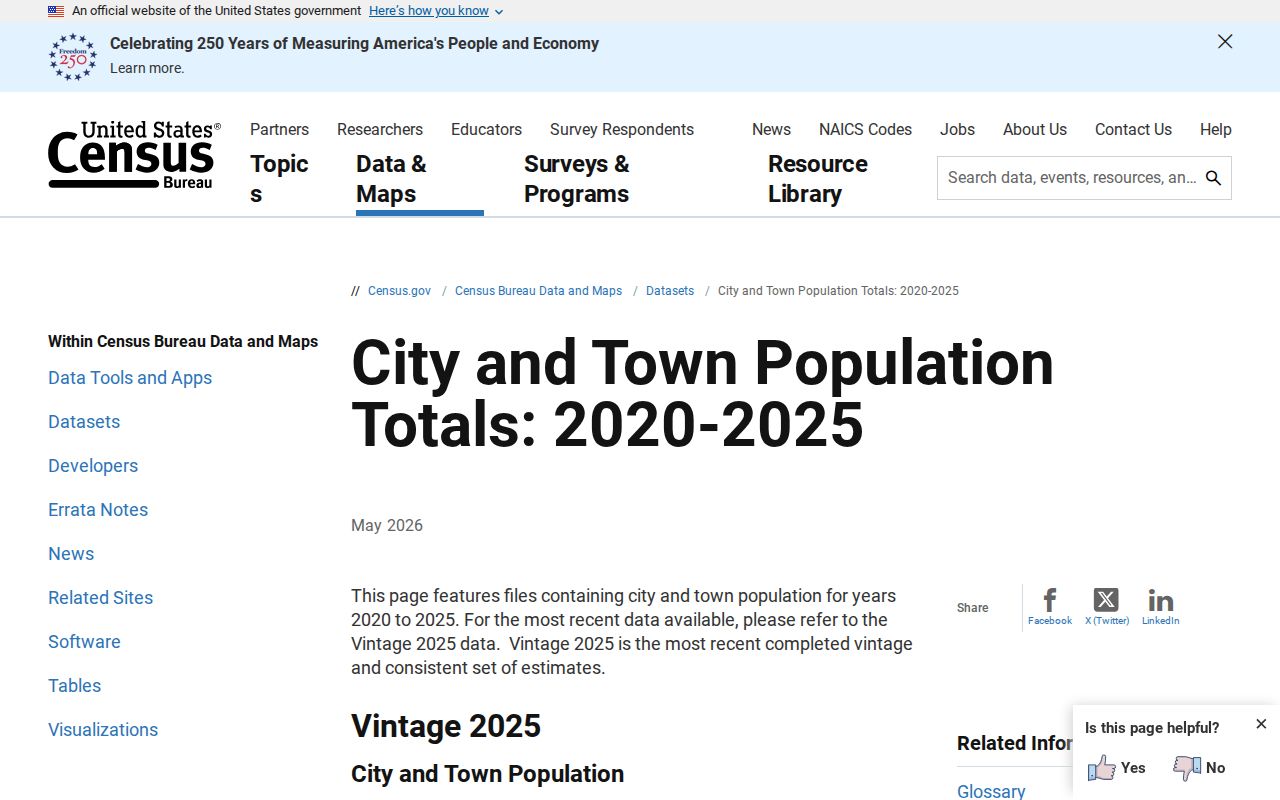
Those population figures rank the city guides. They do not measure crime or the number of people with records.
Chatom Criminal Records
Population 1,054 · Police and Municipal Court share the Town Hall address.
Millry Criminal Records
Population 431 · Town Hall is the published fallback when online detail is absent.
McIntosh Criminal Records
Population 192 · A payment-focused ticket search supplements direct court contact.
Rural Washington County Record Access
Official Census figures show that Washington County covers about 1,080 square miles and had a 2025 population estimate of 14,822. Its three incorporated places together had fewer than 1,700 residents. Phone and counter fallbacks are therefore core access channels, not side notes. Household broadband subscription was estimated at 81.2 percent for 2020 through 2024, and a fragile embedded roster or paid-only case search cannot meet every need.
Crime and court counts need equal care. The ALEA Crime in Alabama program and FBI data list separate offense counts reported by the sheriff and each town police agency. Those raw figures are not rates, unique people, arrests, or convictions. AOC municipal case totals are court workload, not proof that the same number of local residents committed offenses. Use a count to understand agency activity, never to label a person or community.
For a national self-review, the FBI electronic Identity History Summary channel accepts a subject-only request with fingerprints and the federal fee.
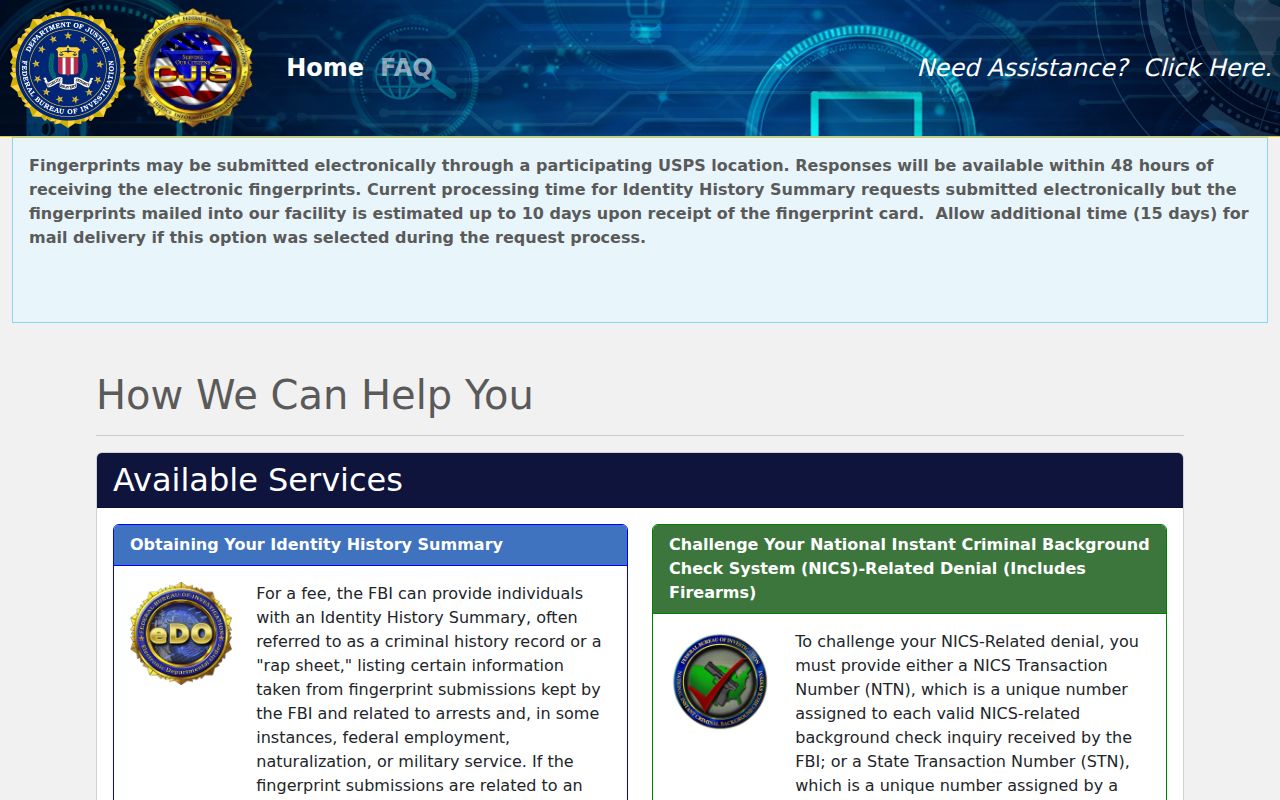
The FBI product covers a different layer from the Washington County clerk and ALEA. Federal cases use PACER and the Southern District of Alabama, while a local Alabama record still requires the appropriate county and state sources.